What's Actually in Your Food
The United States allows over 10,000 chemicals in its food supply. The European Union allows closer to 400. That gap isn't because American regulators have done more safety testing — it's because nearly 99% of chemicals introduced into US food since 2000 were approved by the manufacturers themselves, not the FDA.
This is called the GRAS loophole — Generally Recognized As Safe. Created in 1958 and never significantly updated, it allows companies to self-certify that their own additives are safe. No independent review required. No public disclosure required.
"Red Dye No. 3 has been banned from cosmetics since 1990 — when the FDA itself determined it causes cancer in animals. In 2024, it was still in your food." — Thomas Galligan, Center for Science in the Public Interest
Banned Abroad, On Your Shelf
Below is a comparison of common US food additives and their status in other developed countries. These are not fringe chemicals — they're in products you likely bought this week.
| Chemical / Additive | Found In | US Status | Status Elsewhere | Known Health Concerns |
|---|---|---|---|---|
| Red Dye No. 3 | Candy, maraschino cherries, some medications | Legal until 2027 | Banned in EU, restricted in UK | Causes cancer in animal studies; FDA knew since 1990 |
| Red 40, Yellow 5, Yellow 6, Blue 1 & 2 | Cereals, candy, sports drinks, snack foods | Legal | EU requires warning label on packaging | Linked to hyperactivity and attention problems in children |
| BHA / BHT | Frosted Flakes, Rice Krispies, Wheat Thins, chips, sausage | Legal | Banned or restricted in EU, Japan | BHA classified as "reasonably anticipated to be a human carcinogen" by US Dept. of Health and Human Services |
| Potassium Bromate | Bread, baked goods, flour | Legal | Banned in EU, UK, Canada | Linked to kidney tumors, thyroid tumors, nervous system damage |
| rBGH (growth hormone in dairy) | Non-organic milk, cheese, yogurt | Legal | Banned in EU, Canada, Australia, Japan | Increases antibiotic use in cows; antibiotic and hormone residues pass into milk |
| PFAS "Forever Chemicals" | Fast food wrappers, microwave popcorn bags, takeout containers | Voluntary phase-out only | Banned or being phased out in EU, Canada, Denmark | Linked to cancer, immune dysfunction, developmental problems; persist in body indefinitely |
| Titanium Dioxide | Skittles, candies, soups, spreads | Legal | Banned in EU since 2022 | EFSA determined it can cause DNA damage (genotoxic) |
| Ractopamine (livestock feed additive) | Pork, beef | Legal | Banned in 160+ countries including EU, China, Russia | Linked to cardiovascular damage in humans |
How the GRAS Loophole Works
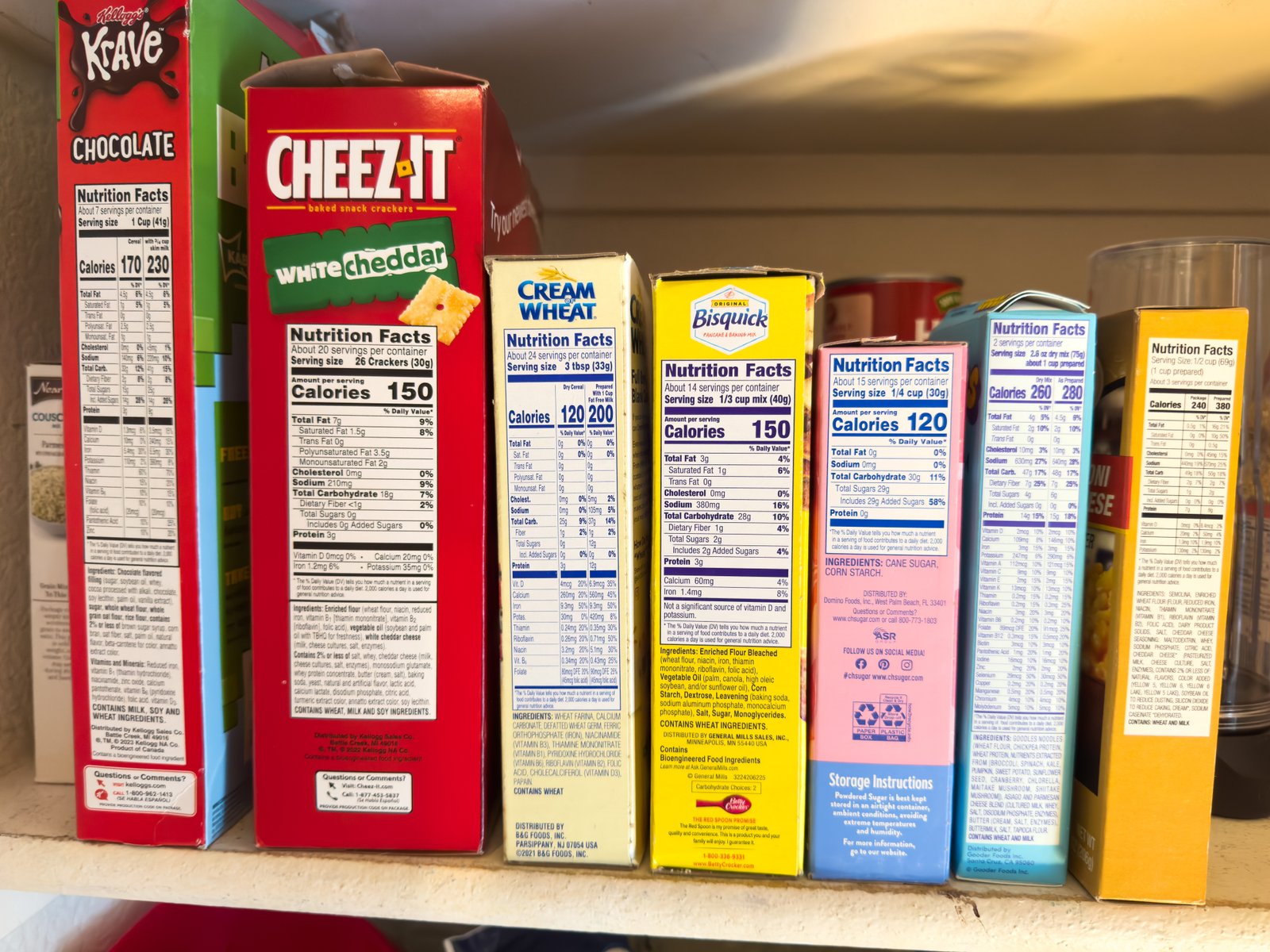
Under the GRAS system, a company that wants to add a new chemical to food can simply declare it safe internally — and is not required to tell the FDA. They can notify the FDA voluntarily, but notification is not mandatory. The FDA does not independently test or verify the safety determination.
This means thousands of chemicals currently in American food have never been reviewed by a government scientist. The only entity that evaluated their safety was the company that profits from selling them.
What's Changing (And What Isn't)
As of 2025, some movement is finally happening — primarily at the state level:
- California banned potassium bromate, propylparaben, Red Dye No. 3, and brominated vegetable oil. Effective 2027.
- West Virginia banned seven artificial food dyes from school lunches starting August 2025, with a full state ban by 2028.
- Illinois banned potassium bromate and propylparaben in April 2025.
- FDA finally banned Red Dye No. 3 in January 2025 — 35 years after they determined it causes cancer in animals.
- FDA announced a phaseout of all petroleum-based synthetic dyes in April 2025.
Major food companies including PepsiCo, Tyson, Kellogg's, Mars, Hershey, and Campbell's have pledged to remove artificial dyes — most by end of 2027. Walmart announced it will remove synthetic dyes and 30 other ingredients from its Great Value, Bettergoods, and Marketside store brands by January 2027.
These are wins. They are also 30–40 years overdue.
See The Data for disease correlation research, or go to Safe Alternatives for what to buy instead.