The United States vs. The Rest of the Developed World
If chemical additives in food and household products were harmless, you'd expect Americans to have roughly similar rates of chronic disease as people in comparable countries. That is not what the data shows.
Source: Peterson-KFF Health System Tracker, 2022 data, age-standardized comparisons
US Disease Rates vs. Comparable Countries
| Condition | US Rate | Comparable Country Average | US Multiplier |
|---|---|---|---|
| Obesity | 42.0% of adults | 17.8% | 2.4x higher |
| Type 2 Diabetes | 12.5% of adults | 6.1% | 2x higher |
| Asthma | ~9.7% of population | ~5.7% | 1.7x higher |
| ADHD (children) | ~11% of children | ~5% EU average | ~2x higher |
| Depression | Higher than peer nations | Lower across comparable countries | 1.3x higher |
What the Research Shows
Food Additives and Disease
A 2023 Lancet study of over 266,000 adults across 7 European countries found that people who consumed more ultra-processed foods had significantly higher rates of developing multiple chronic diseases simultaneously — including cancer and cardiovascular disease. Researchers identified food additives specifically as a likely mechanism, noting their effects on endocrine pathways and gut microbiome.
Research published in PLOS One found that overweight and obese individuals consumed significantly more preservatives (sorbates, nitrites), stabilizers (carrageenan), and artificial sweeteners than people at healthy weights — even when controlling for caloric intake.
Children and Artificial Dyes
A 2007 University of Southampton double-blind study found measurable increases in hyperactivity in children after consuming artificial food dyes. The European Food Safety Authority confirmed the signal. The EU responded by requiring warning labels on products containing those dyes. The US FDA responded by... doing nothing for 18 years.
The connection between artificial dyes and ADHD symptoms is strong enough that the EU treats it as established. The US still has no labeling requirement.
"Diet plays a significant role in the development of chronic diseases. Approximately 30% of cancer cases and 35% of cardiovascular deaths are influenced by poor dietary choices, including consumption of foods high in trans fats, artificial preservatives, and sugar-laden additives." — World Health Organization / Mozaffarian et al., cited in FDA Food Safety Research (2025)
The Double Profit Model
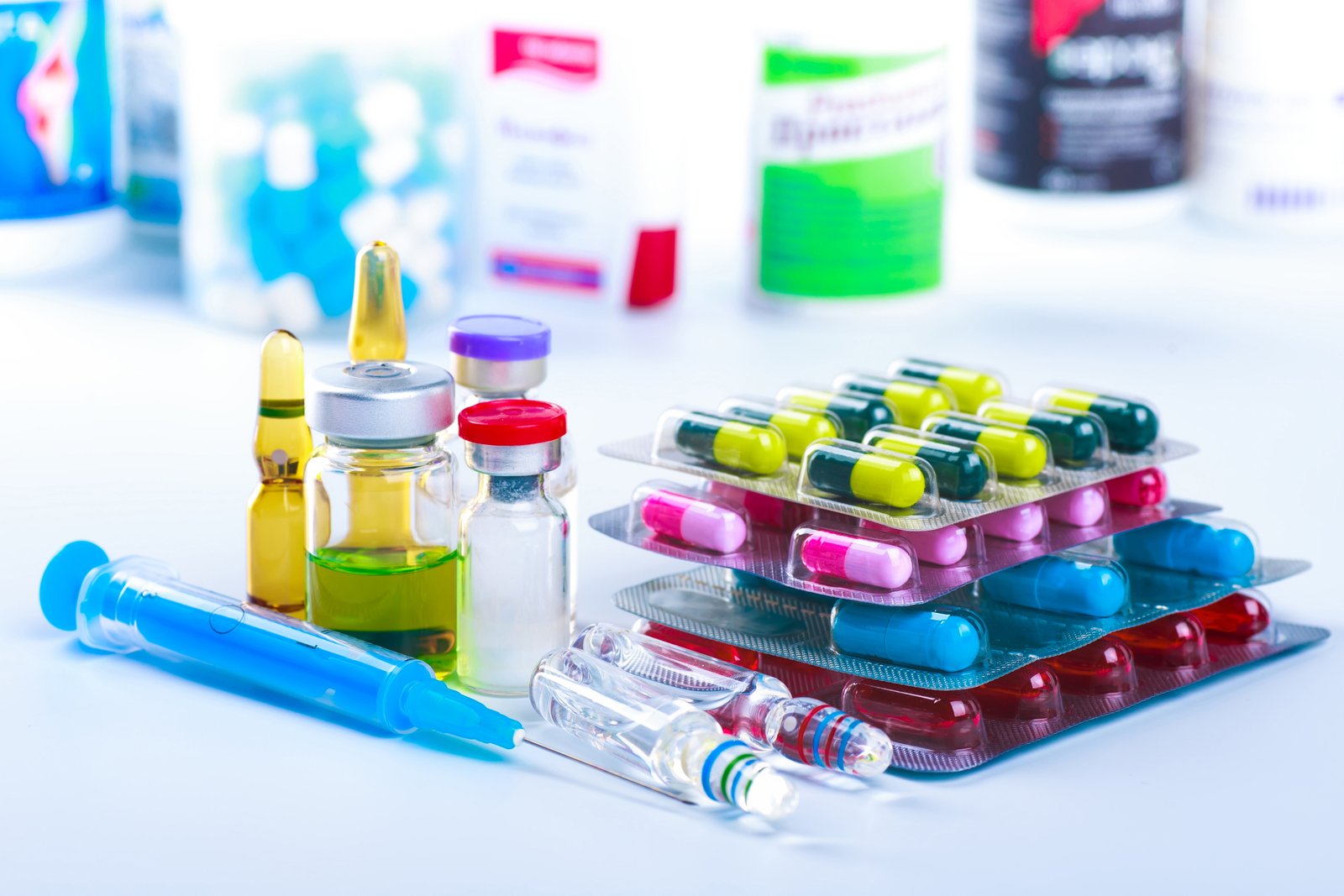
The same institutional investors — primarily BlackRock, Vanguard, and State Street — hold significant stakes in both the largest processed food companies and the largest pharmaceutical companies. This means the entities that profit from chemicals linked to chronic disease also profit from the drugs used to treat those diseases.
This is not a conspiracy theory. It is public information available in SEC filings. It does not require anyone to be consciously evil for the outcome to be harmful — the financial incentive structure simply does not reward making Americans healthier.
- US healthcare spending: $4.5 trillion per year — more than any country on Earth
- Chronic disease accounts for 90% of that spending
- Most chronic disease in the US is diet-related and preventable
Correlation Is Not Causation — But It's Also Not Nothing
The honest answer is that isolating any single chemical as the cause of a specific disease rate is scientifically difficult. Chronic disease is multifactorial. Researchers acknowledge this. What the research consistently shows, however, is that countries with stricter food additive regulations and lower ultra-processed food consumption have dramatically lower rates of the chronic diseases most prevalent in the US — and that those differences persist even when controlling for income, healthcare access, and physical activity levels.
The burden of proof has been met for many of these chemicals. The FDA's own scientists flagged BHA as a likely carcinogen in 1978. Red Dye No. 3 was flagged in 1990. The question is not whether the science exists — it's why it takes decades for anything to change.
The answer to that question is on the home page. And the practical response to it is on the Safe Alternatives page.